
By Daniel Lopez, Church Realty
As churches look toward 2026, they face a rapidly changing cultural and technological landscape that requires thoughtful, forward-looking decisions. One central consideration is how to remain spiritually and socially relevant in communities where traditional patterns of attendance and religious engagement continue to shift. Many congregations are seeing generational differences in expectations about worship style, communication, and involvement. To remain effective, church leaders must decide how to adapt their ministries without compromising their core mission, balancing continuity with innovation.
Another significant decision area involves the interaction ministry with technology. During the early 2020s, many churches expanded their online presence out of necessity, but the question in 2026 becomes how to integrate these tools strategically rather than reactively. Churches will need to determine the appropriate level of investment in livestreaming, online discipleship resources, and digital communication platforms. In addition, the exponential growth of the AI space and the increasing user familiarity with many of its applications put pressure on churches as to how to leverage this technology for meaningful ministry. Ultimately, successful congregations will be those that treat digital engagement not as a temporary add-on but as an essential extension of their ministry, across all platforms and user experiences.
Churches must also make decisions about community engagement and partnerships. Social and economic pressures—such as housing insecurity, mental health needs, and political polarization—continue to shape local contexts. In 2026, thriving churches will be those that actively discern how to meet these needs through collaboration with nonprofits, schools, and civic organizations. This requires strategic choices about where to focus volunteer energy, how to steward facilities for community use, and how to communicate a message of compassion and unity in divided times. By grounding their outreach efforts in both data and discernment, churches can ensure that their ministries speak to real and current needs.
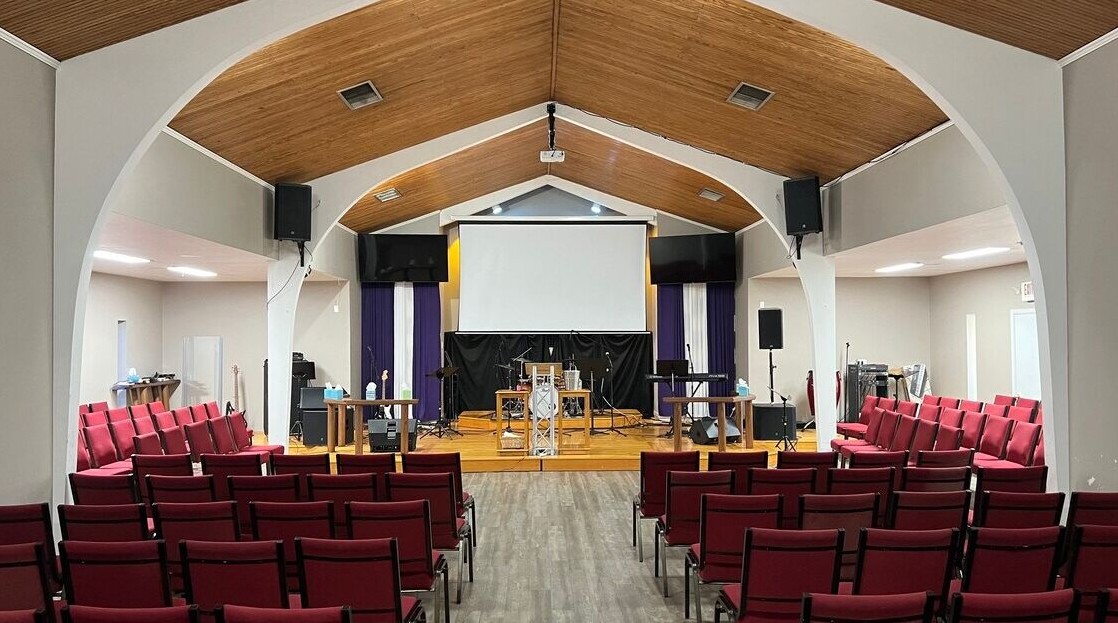
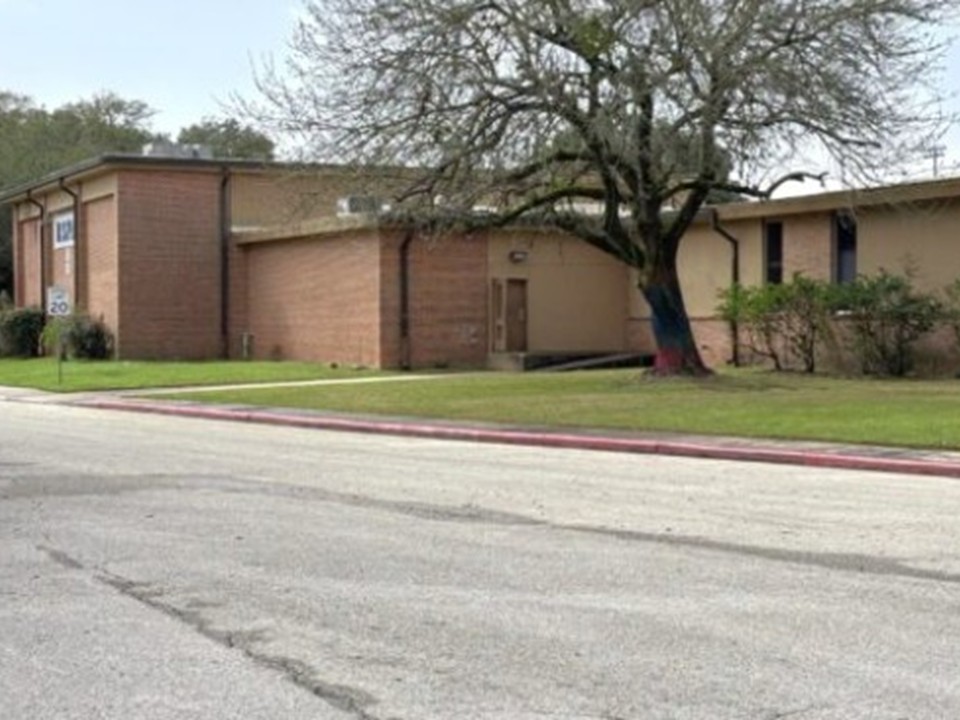
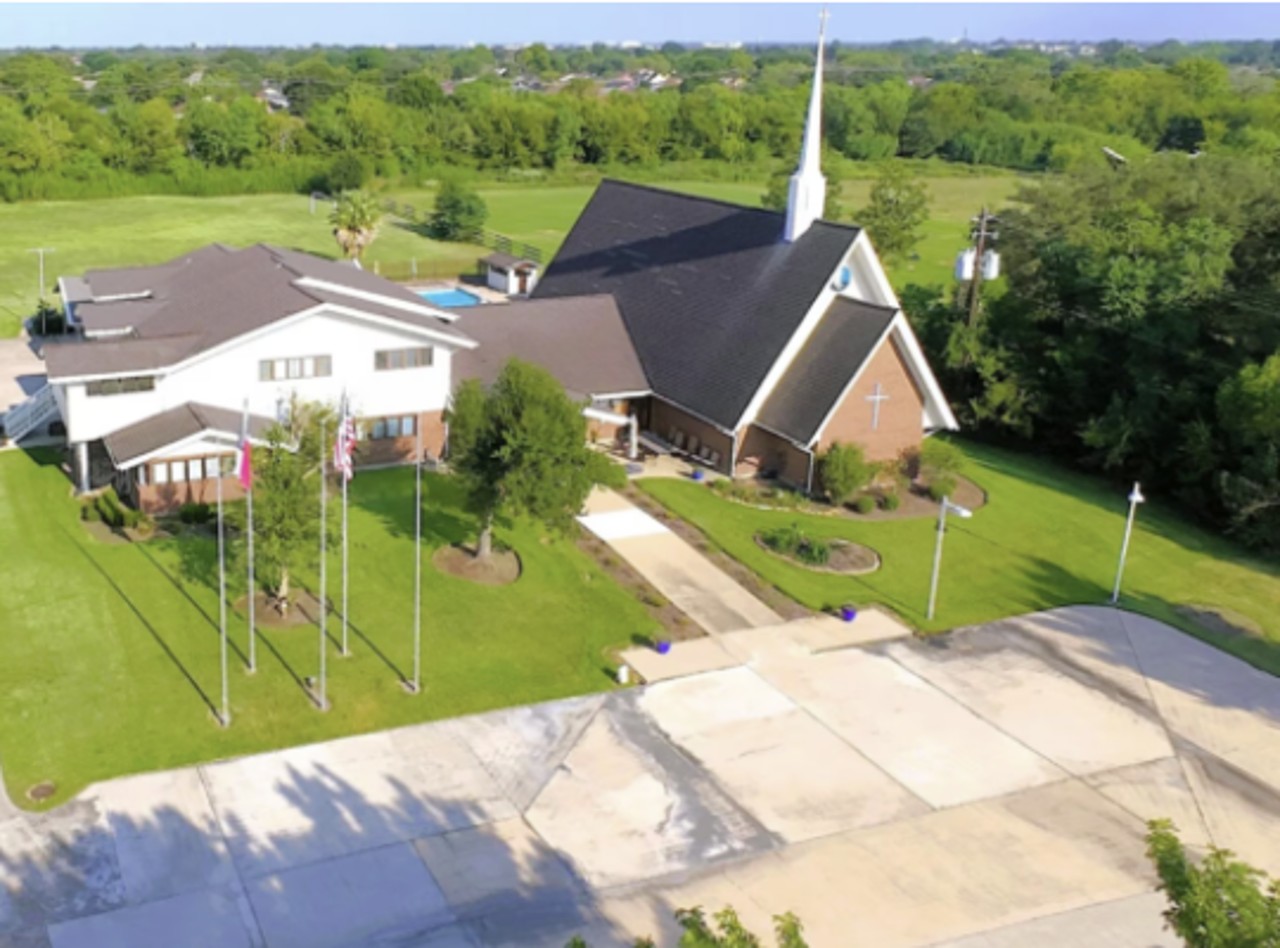
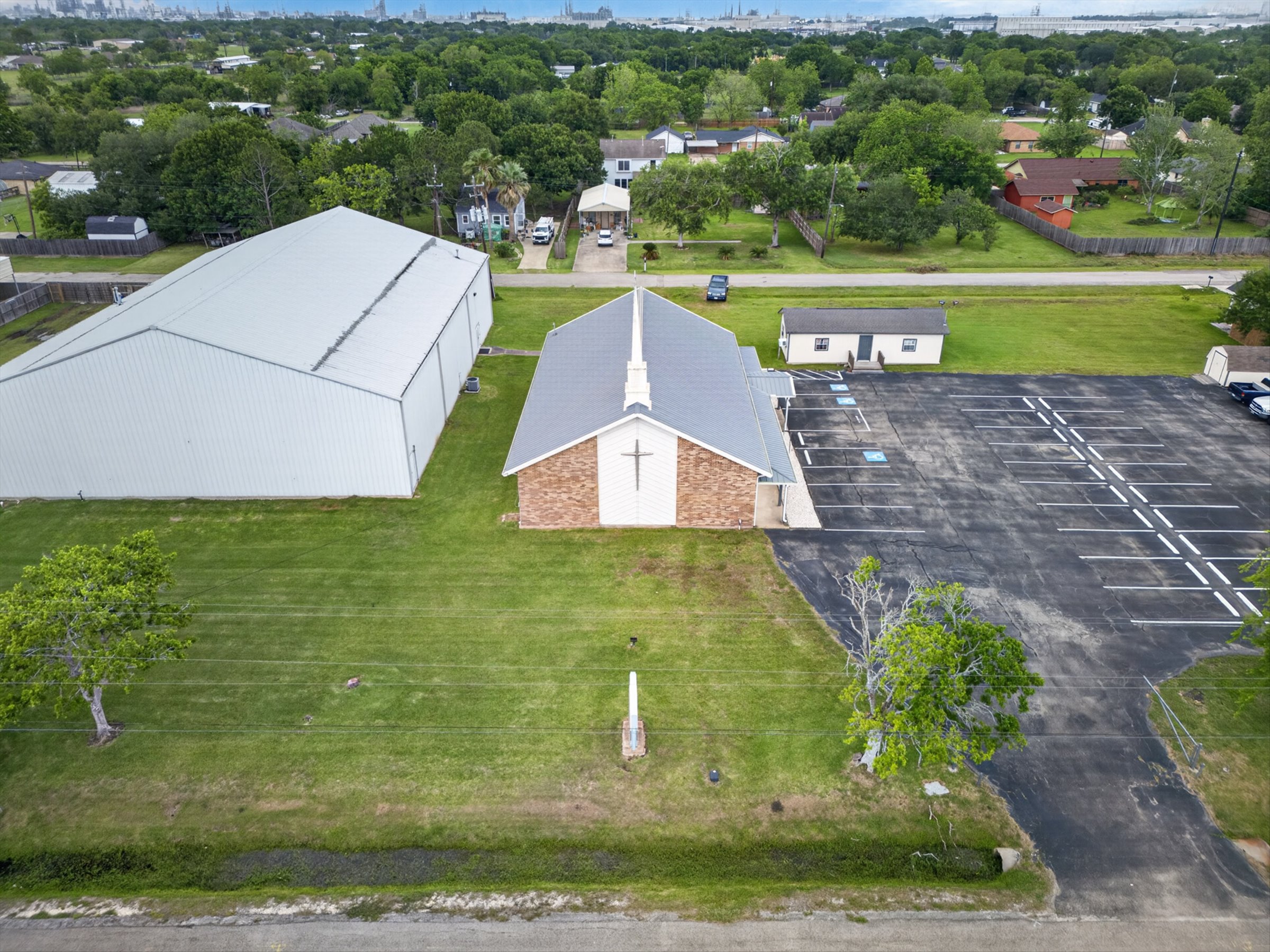
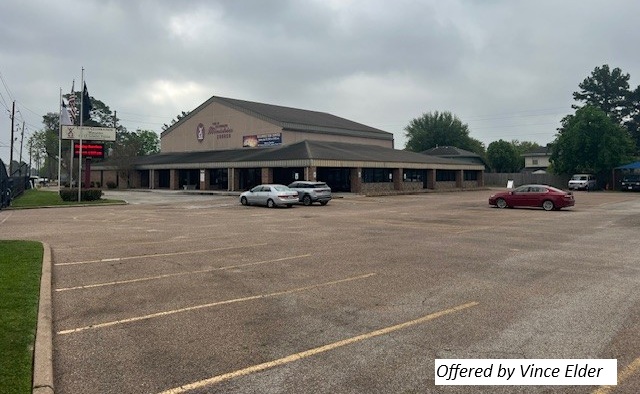
A fourth key area of decision-making relates to physical plant and real estate stewardship. Many churches in 2026 are grappling with aging buildings, underutilized spaces, and rising maintenance costs. Leaders must decide whether to renovate, repurpose, consolidate, or even sell facilities to better support ministry goals. For some congregations, strategic partnerships—such as leasing space to schools, nonprofits, or coworking groups—can generate revenue while strengthening community ties. These decisions require careful assessment of long-term sustainability, mission alignment, and the real estate market, ensuring that buildings serve ministry rather than burden it.
Now may be the right time for you and your congregation to make the difficult choices needed to adapt to an ever-changing ministry landscape in this complex time that we are all facing. An extensive time of prayer and self-reflection, an intentional seeking out for counsel to various outside friends of the ministry and the development of a concrete plan of action will be instrumental in positioning your local church or ministry into a solid footing in 2026 and beyond.
Call us today at (281) 744-0644 or contact us here for a free and confidential consultation, thank you!
AVAILABLE CHURCH PROPERTIES
Propiedades Disponibles